


Build a release specification
Quality starts before a batch is made. The formulation brief should identify critical ingredients, paper and barrier materials, process risks, analytical questions and the records needed to release a finished batch. A marketing certificate badge cannot replace a product-specific specification or an audit of the actual manufacturing scope.
| Control area | Questions to resolve | Project evidence |
|---|---|---|
| Raw materials | What is the ingredient identity, origin, form, grade and accepted supplier specification? | Identity method, supplier qualification, COA review and traceability. |
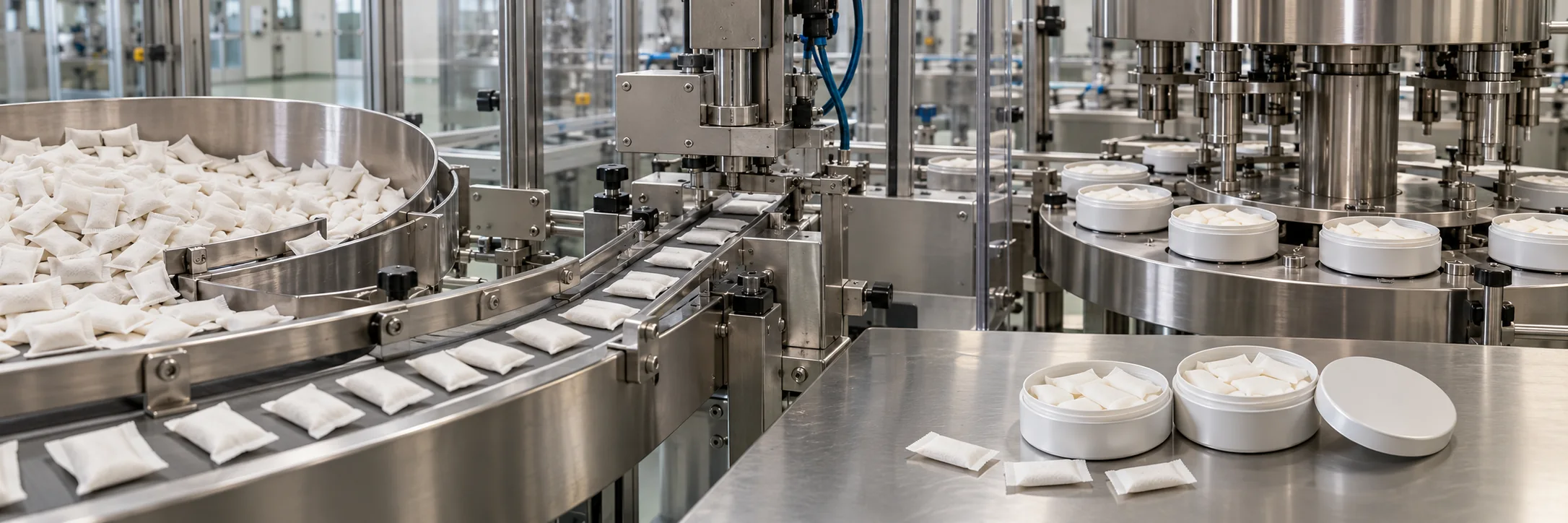
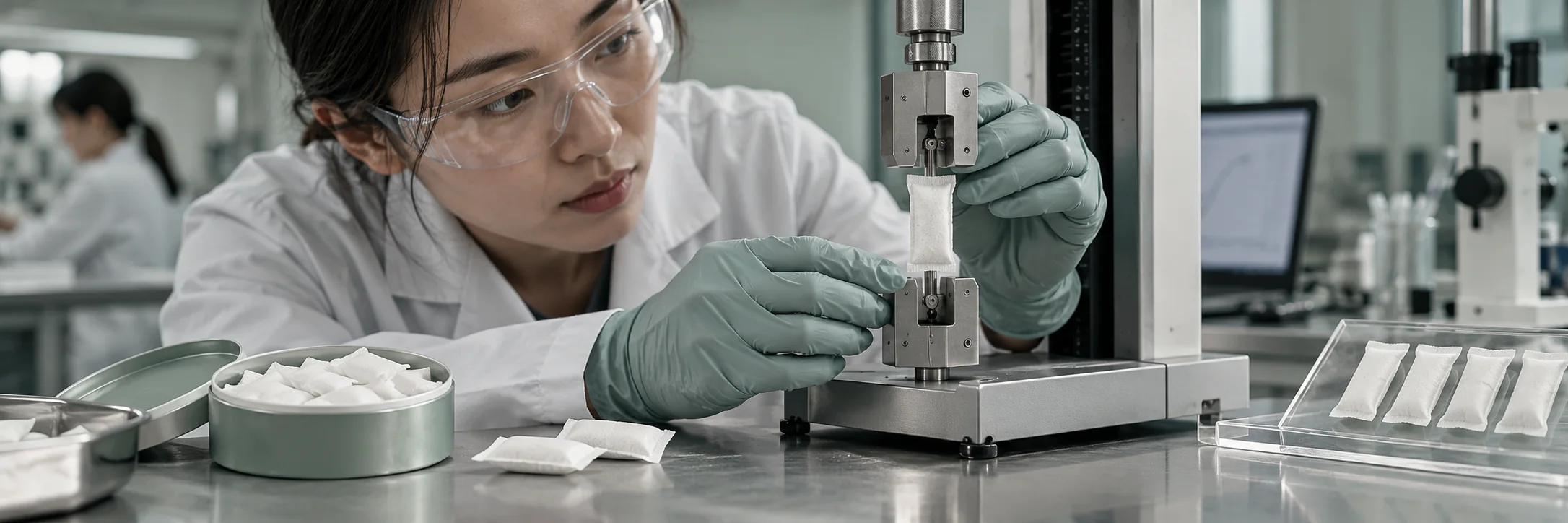
| Pouch formation | Does the agreed fill fit the paper and seal geometry consistently? | Fill-weight sampling plan, seal checks, appearance and handling criteria. |
| Microbiology | What limits and methods fit the material and product classification? | Approved test plan, sampling points and results against stated limits. |
| Analytical testing | What marker or active measurement is justified and technically suitable? | Agreed method suitability, assay or marker reports and relevant contaminant review. |
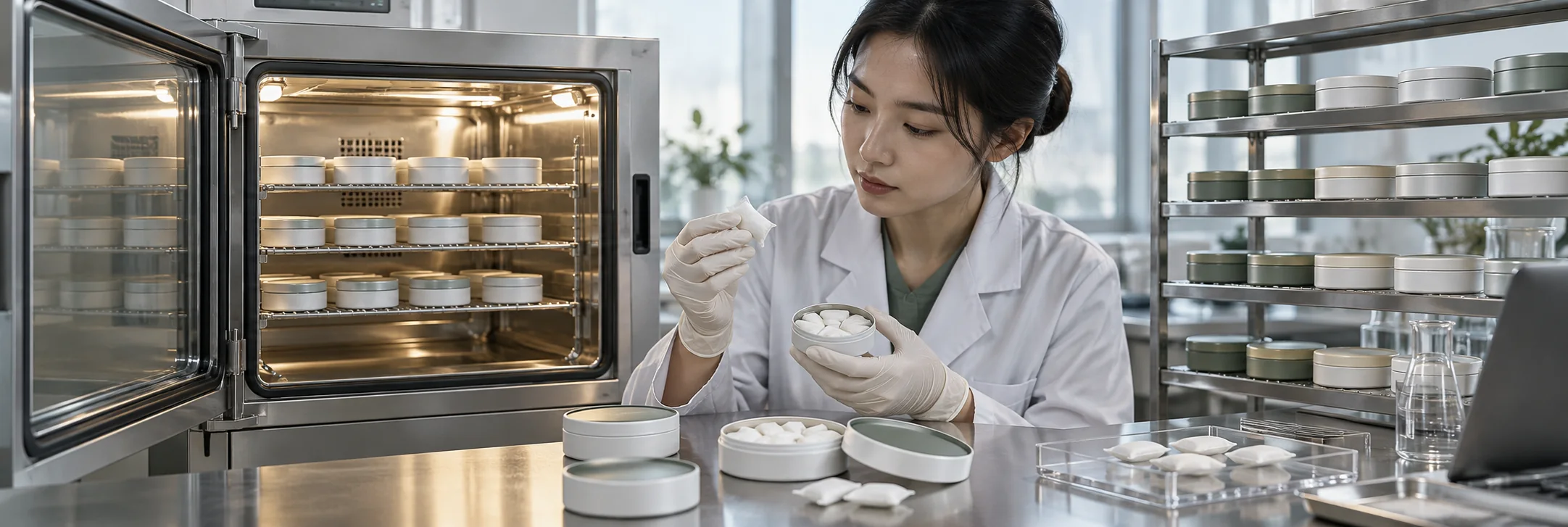
| Stability | What changes in the final pack over the intended storage period? | Protocol, time points, acceptance limits, results and shelf-life rationale. |
| Packaging | Does the closure and barrier protect the pouch through transport and use? | Material suitability, barrier and closure review, transport and opening studies. |
| Batch handover | Can the delivered lot be traced to approved materials and versions? | Batch identifier, release disposition, agreed COA, label version and shipping records. |
Request relevant original evidence
During due diligence, ask for the manufacturing site identity, current certificate scope and issuer where applicable, available audit information and the laboratory responsibilities for your project. Review whether a document covers the specific site, process and product category. No GMP, ISO, FDA or CE certificate is asserted or reproduced here without verified supporting material.
Method capability is project-specific
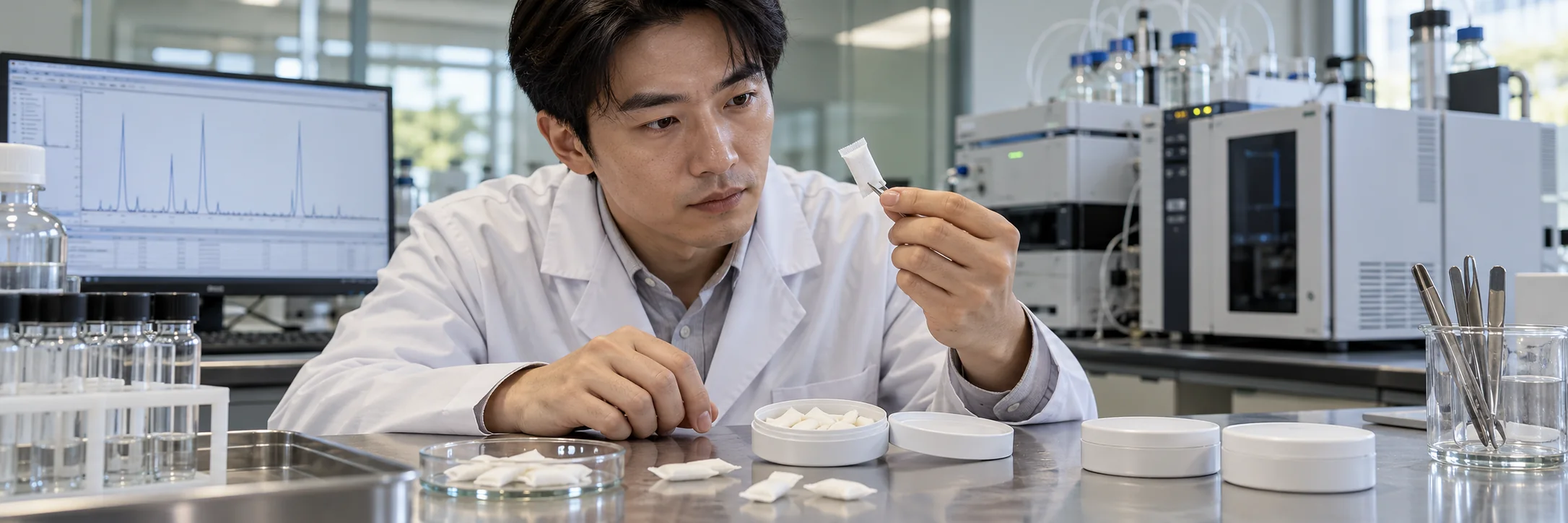
Discuss whether HPLC, other analytical methods, microbial testing, moisture evaluation and stability work are appropriate for the actual formulation. The agreed method and laboratory should answer the project question. A photograph of equipment is not evidence that an assay is validated or that a particular batch has passed.
Before you approve production
- Approve the ingredient list and its version.
- Confirm the physical pouch and pack specification.
- Agree test methods, limits and sample retention.
- Review label wording and market responsibilities.
- Set the release decision and deviation-handling process.
- Keep an approved reference sample and signed artwork proof.